Freight transport is a vital activity for the Brazilian economy, serving as the primary means of distributing goods across the country. However, poor road conditions and high rates of cargo theft make security a constant challenge for transport companies. To reduce risks and boost efficiency, it is essential to adopt strategies that protect both drivers and the cargo itself.
The importance of road transport in Brazil
In Brazil, approximately 61% of all freight is moved via road transport, highlighting its economic significance. However, of the country’s more than 1.7 million kilometers of highways, only 12% are paved, which complicates logistics.
In addition to poor road conditions, other factors—such as inadequate vehicle maintenance and a lack of driver preparedness—directly impact safety. To mitigate these issues, transport companies must adopt best practices for freight transport security.
Key challenges in freight transport
Transport companies operating in Brazil face several obstacles, including:
- • Cargo theft: According to NTC&Logística, over 14,000 cases of cargo theft were recorded in Brazil in 2021;
- • Insufficient vehicle maintenance: Trucks lacking proper maintenance can cause accidents, delays, and even the loss of goods;
- • Unprepared drivers: Drivers lacking proper training can increase the risk of accidents and cargo-related issues;
- • Poor road conditions: A significant portion of Brazilian highways has poor pavement quality, directly impacting the transport of goods.
Strategies to improve cargo transport safety
To address these challenges and enhance safety, it is important for transport companies to adopt preventive measures and strategies that ensure safer transport. Check out the key ones below:
1. Perform preventive vehicle maintenance
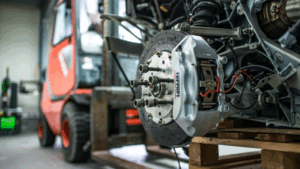
Ensuring trucks are always in good condition is essential to prevent accidents and issues during transport. Proper preventive maintenance should include:
- • Checking air, oil, and fuel filters;
- • Periodically servicing the braking system;
- • Inspecting the suspension system and signal lights;
- • Checking the condition of tires and the electrical system.
Keeping these items up to date reduces the risk of accidents and avoids extra costs associated with emergency repairs. For a complete checklist, see our practical guide to preventive maintenance for trucks.
2. Train drivers
Drivers play a fundamental role in cargo transport. Beyond driving the truck, they are responsible for ensuring the cargo reaches its destination safely. Effective training should include:
- • Defensive driving, which teaches how to avoid risky situations on the road;
- • Basic vehicle maintenance knowledge, enabling the driver to identify problems during the trip;
- • Transport safety procedures, such as the correct way to distribute and secure the load on the vehicle.
With well-trained drivers, companies can minimize risks and ensure a safer journey.
3. Use monitoring technologies
Real-time monitoring systems are powerful tools for enhancing cargo transport safety. With truck tracking, the carrier can monitor the journey, identify safer routes, and act quickly in the event of deviations or emergencies. These technologies also help reduce the risk of cargo theft, providing greater control over operations.
4. Ensuring proper cargo securing
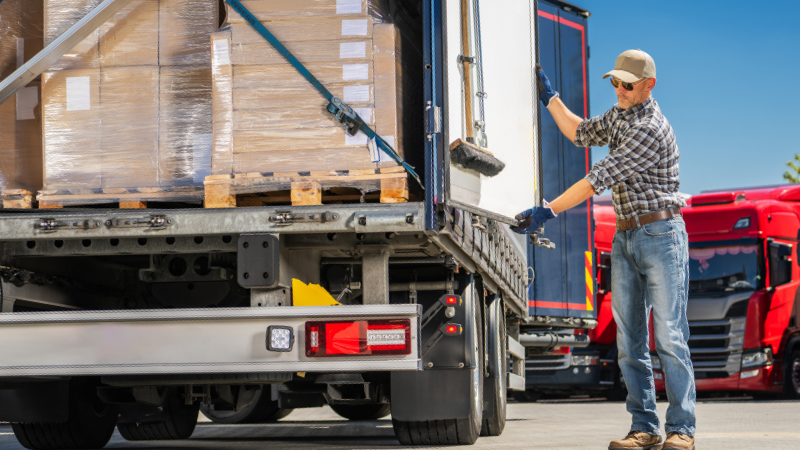
Improperly secured cargo can pose a significant risk to both transport safety and product integrity. Therefore, it is essential to verify the cargo’s weight and volume and ensure it is firmly fastened and properly distributed within the truck. This prevents the load from shifting or falling during the trip, which could cause serious accidents.
5. The importance of maintenance for safety
Preventive maintenance is one of the most important practices for ensuring safety in cargo transport. A truck that undergoes regular maintenance is less likely to break down during the journey, thereby avoiding accidents and delays. Furthermore, well-maintained vehicles consume less fuel, which helps reduce the company’s operating costs.
Maintaining the system